

The orthopedic dog bed market is moving beyond basic pet bedding toward a more specialized category built around joint support, pressure relief, premium materials and pet wellness. For retailers, importers, distributors and private-label brands, the key question is no longer simply how many dog beds will be sold, but how product specifications, materials and positioning are changing.
Better foam systems, removable covers and functional materials are supporting higher-value product positioning.
Owners increasingly evaluate bedding through comfort, wellness and quality-of-life considerations.
Retailers and pet brands have more opportunities to differentiate through OEM and ODM product development.
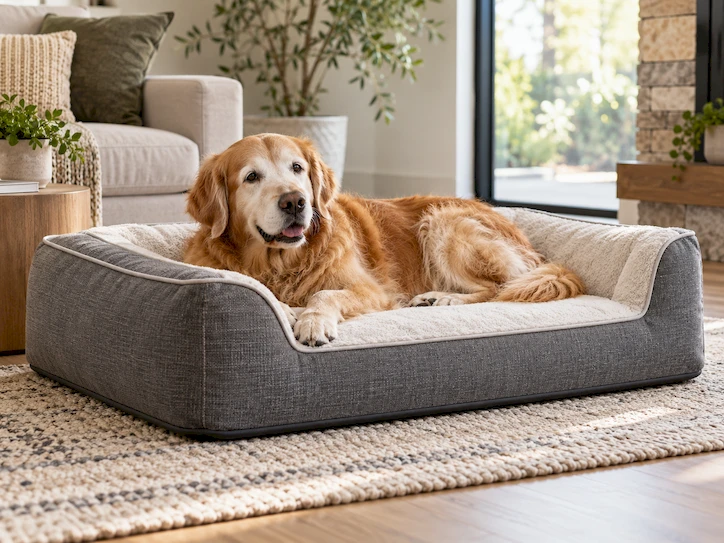
Orthopedic Dog Beds Are Becoming a Distinct Pet Wellness Category
Traditional dog beds are mainly purchased as comfortable sleeping surfaces. Orthopedic models are increasingly differentiated by a more specific value proposition: better weight distribution, pressure support and additional comfort for senior dogs, larger breeds and dogs with reduced mobility.
Market research from IndexBox describes orthopedic dog beds as purpose-built bedding using materials and structures such as memory foam, orthopedic foam, egg-crate foam and gel-infused constructions. That separates the category from simple fiber-filled pet cushions and creates more room for technical product differentiation.
For pet product buyers, this distinction matters. Instead of competing only on size, color and softness, suppliers can develop products around construction, durability, washability, temperature management and ease of use.
For buyers already sourcing wholesale dog beds, orthopedic models can therefore be considered a functional extension of the wider bedding category rather than simply a thicker version of a standard bed.
Premiumization Is Changing the Value of the Dog Bed Shelf
One of the clearest trends in current orthopedic dog bed market analysis is a widening gap between basic bedding and products designed around stronger functional claims and more sophisticated construction.
IndexBox describes a market ranging from value products below roughly $50 to premium models priced in the $150–$300 range, with super-premium products positioned even higher. These figures reflect the segmentation used in that research and should not be treated as universal retail pricing across every market.
| Segment | Typical Product Direction | Key Buying Factors | B2B Opportunity |
|---|---|---|---|
| Value | Basic foam construction and simple covers | Price, size and availability | Volume retail and promotional ranges |
| Mid-Market | Improved foam, washable covers and bolsters | Value for money and visible features | Private-label differentiation |
| Premium | Layered foam, technical textiles and premium finishes | Comfort, durability, materials and design | Higher-value specialty retail |
| Specialized | Cooling, senior-dog, large-breed or modular designs | Specific use cases and product performance | Focused brand positioning and OEM development |
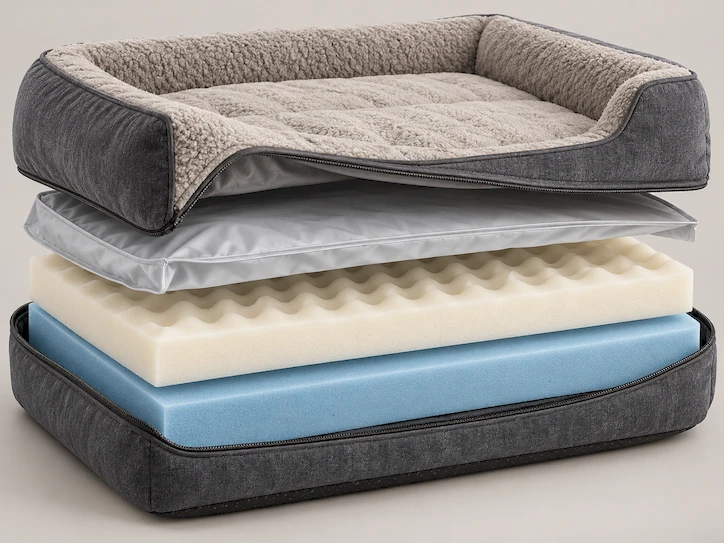
The commercial significance is straightforward: specifications increasingly support pricing power. A generic foam bed with a standard polyester cover is easily compared with competing marketplace products. A product combining layered foam, a waterproof internal liner, removable upholstery-style fabric and replacement components gives a brand more opportunities to explain why its product is different.
Pet Humanization Supports Demand for Better Bedding
The shift toward premium orthopedic bedding does not exist in isolation. It is closely connected with broader changes in how owners view their pets and how much attention they give to comfort, wellness and preventative care.
The American Pet Products Association reported on March 26, 2026 that U.S. pet industry spending reached $158 billion in 2025, an increase of 3.7%, and projected industry spending of $165 billion for 2026. APPA also reported that 95 million U.S. households owned at least one pet in 2025.
APPA’s 2025 Dog and Cat Report also discussed the continued humanization of pets, deeper human-animal bonds and stronger attention to proactive pet wellness. For the dog bedding category, that can change the way a product is evaluated.
A standard bed may be purchased because it is soft. An orthopedic bed increasingly needs to explain why its construction provides additional value.
This creates additional importance around material transparency, foam specifications, washable construction and credible product claims.
Aging Dogs Create More Specific Product Requirements
Orthopedic bedding is particularly relevant to senior dogs, large breeds and dogs that need additional physical support. Current market analysis identifies several important purchasing situations, including managed care, preventative support, comfort upgrades and normal replacement purchases.
Senior Dog Beds
Low entry points, supportive foam and washable covers can make daily use easier for older dogs.
Large-Breed Beds
Thicker foam systems and stronger support structures help reduce long-term compression under heavier dogs.
Bolster Orthopedic Beds
Raised sides combine supportive bedding with an enclosed sleeping format familiar to many pet owners.
Cooling Orthopedic Beds
Breathable fabrics and temperature-management materials can create additional differentiation in warmer markets.
Waterproof Designs
Internal waterproof barriers protect foam from moisture, accidents and repeated cleaning.
Replacement Covers
Separate covers extend product life and create an additional accessory SKU for retailers and distributors.
Retailers already carrying products such as calming dog beds or elevated dog beds can use similar need-based merchandising principles when building an orthopedic bedding assortment.
Private Label Is Moving Further Upmarket
Private-label pet bedding is no longer limited to entry-level products. Retailers and pet brands can increasingly develop higher-specification ranges using better materials, stronger visual design and differentiated feature sets.
For OEM and ODM buyers, that changes the role of the manufacturer. A competitive supplier increasingly needs to support more than logo placement on an existing dog bed.
Development capabilities buyers may require
- Custom foam combinations and thicknesses
- Customized dimensions for different dog sizes
- Removable and washable cover systems
- Waterproof internal liners
- Custom fabric selection and colors
- Bolster and low-entry structural options
- Private labels and woven brand labels
- Retail packaging and shipping cartons
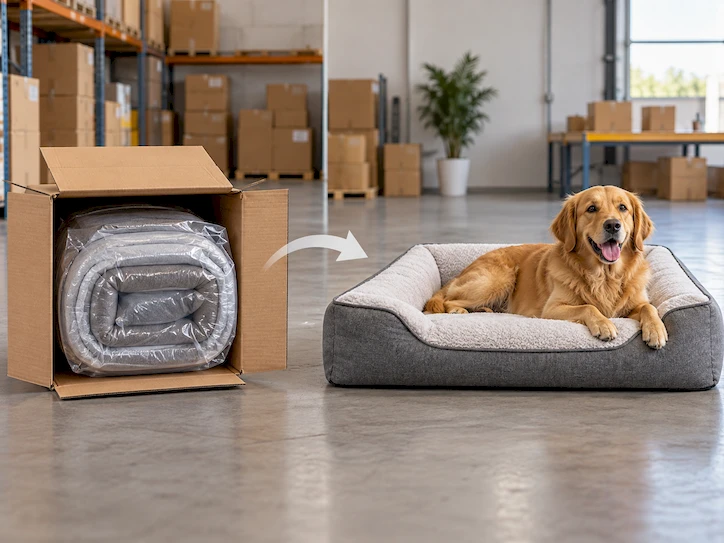
- Vacuum-compressed packaging development
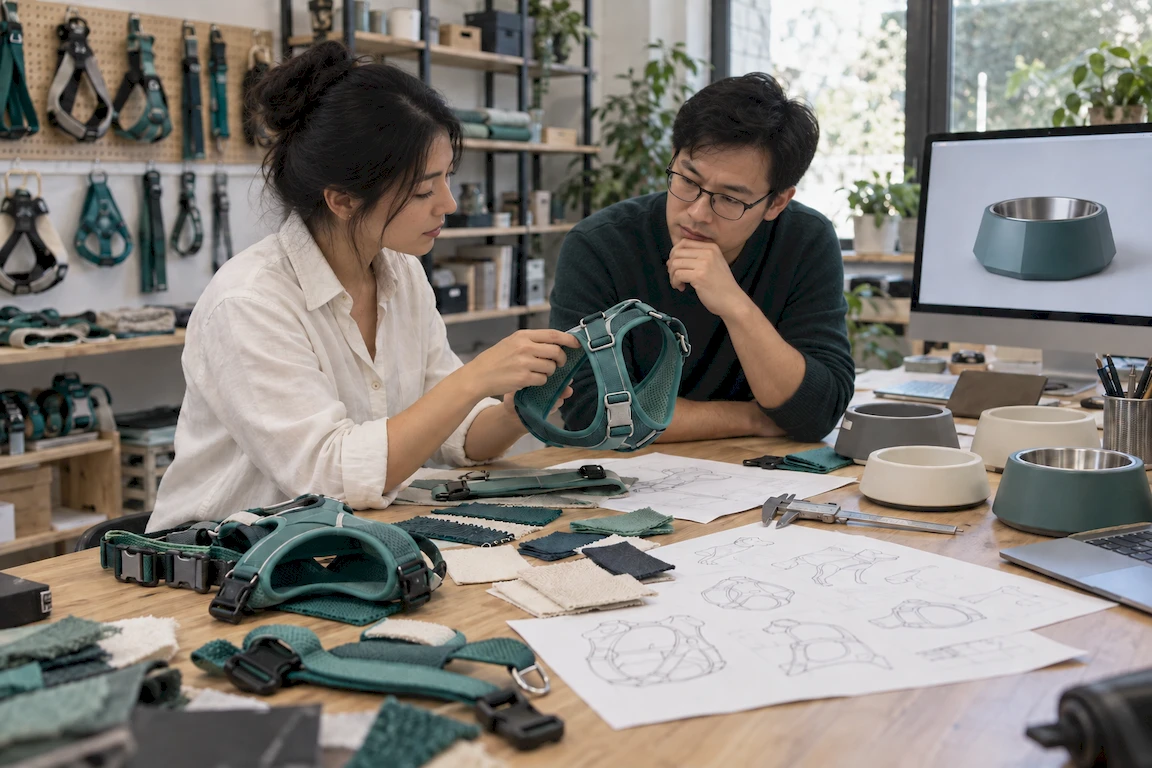
This shift increases the importance of development capability. For pet brands, wholesalers and retailers, OEM and ODM partnerships can be used to build product ranges around specific markets, retail price points, breed sizes and brand positioning instead of purchasing only standardized stock products.
Foam Quality Becomes a Supply-Chain Issue
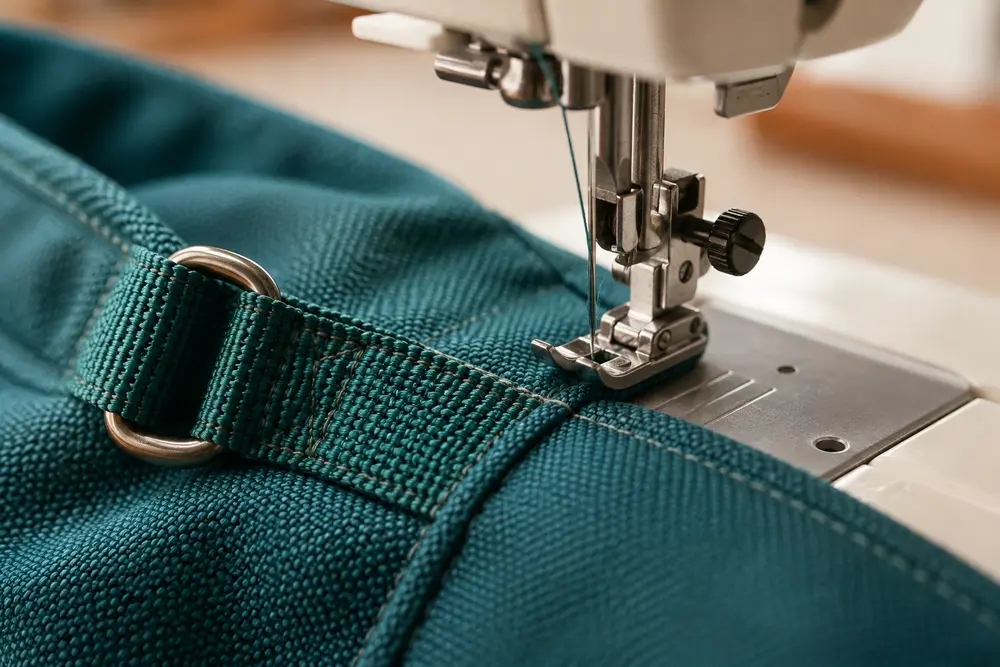
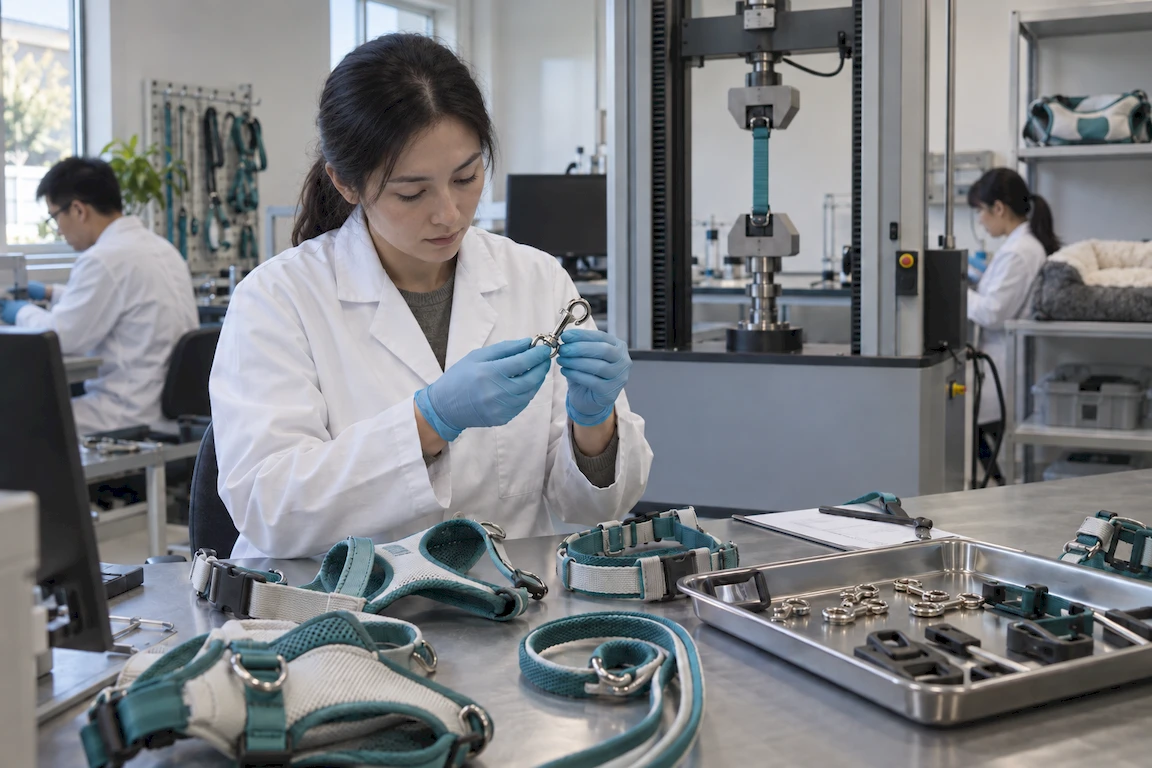
For an orthopedic bed, the material inside the product is part of its core value proposition. Consistency of foam density, thickness and recovery can directly affect how the finished bed performs.
Importers and private-label buyers therefore benefit from defining technical specifications more precisely rather than relying on a broad purchasing description such as “memory foam dog bed.”
Compression Packaging Matters More Than It Seems
Dog beds have an unavoidable logistics challenge: their volume can be high relative to their unit value. For international importers, carton size therefore has a direct impact on freight efficiency.
Vacuum-compressed packaging can reduce shipping volume, but compression also introduces technical requirements. Foam needs to recover adequately after unpacking, while fabric covers should return to an acceptable appearance.
Determine how much compression the selected foam construction can tolerate.
Evaluate how prolonged compressed storage affects product recovery.
Measure recovery time and final product dimensions after opening.
Confirm carton strength, moisture protection and retail presentation.
OEM and ODM Development: Where Pet Brands Can Differentiate
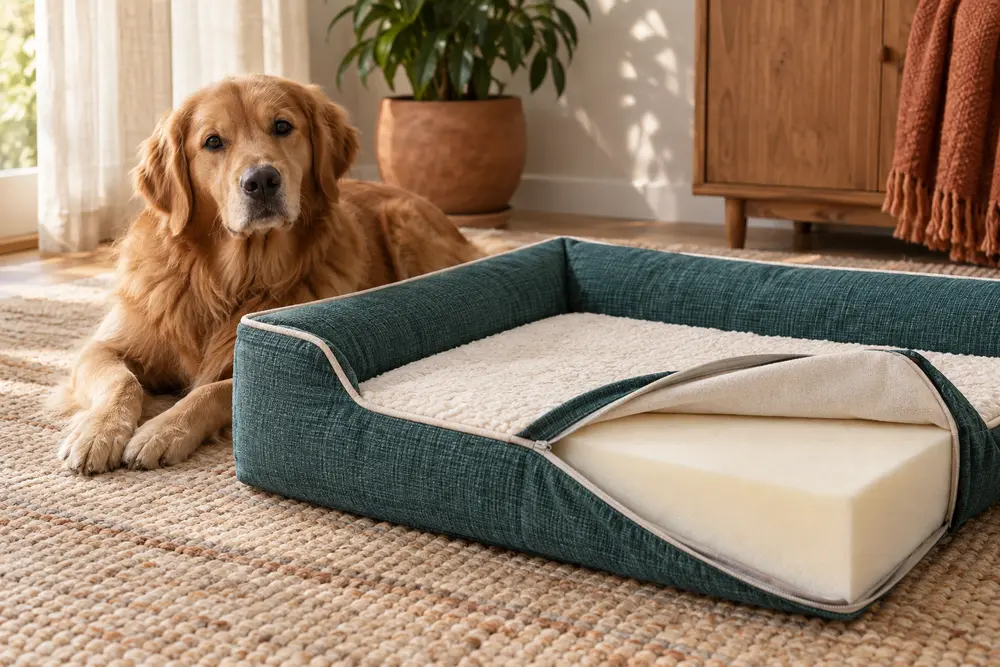
Brands planning an orthopedic dog bed range can create differentiation at several levels. The strongest opportunities are often found in the combination of material selection, structural design, sizing, appearance and packaging rather than in a single feature.
| Development Area | Possible Options | Commercial Purpose |
|---|---|---|
| Foam | Single layer, layered foam, memory foam, convoluted foam | Support positioning and price differentiation |
| Structure | Flat mattress, three-sided bolster, four-sided bolster, low-entry | Target different breeds and use cases |
| Fabric | Plush, woven textile, polyester, upholstery-style materials | Improve aesthetics, durability and market fit |
| Size | Custom dimensions and multiple size ranges | Serve breed, weight and retail assortment requirements |
| Branding | Woven labels, embroidery, private labels, hangtags | Create a distinct branded product |
| Packaging | Vacuum bags, cartons, inserts and retail-ready packaging | Improve logistics and retail presentation |
Brands should also be cautious with therapeutic claims. Terms suggesting that a product treats or cures specific medical conditions require appropriate evidence. In most markets, it is more sustainable to define measurable product specifications first and build marketing language around support, comfort, materials and construction that can actually be substantiated.
Quality Control Becomes Part of the Product Proposition
As orthopedic beds become more technical, quality control needs to cover both appearance and product construction. Relevant checks can include finished dimensions, stitching, zipper operation, fabric inspection, foam thickness, material consistency and packaging recovery.
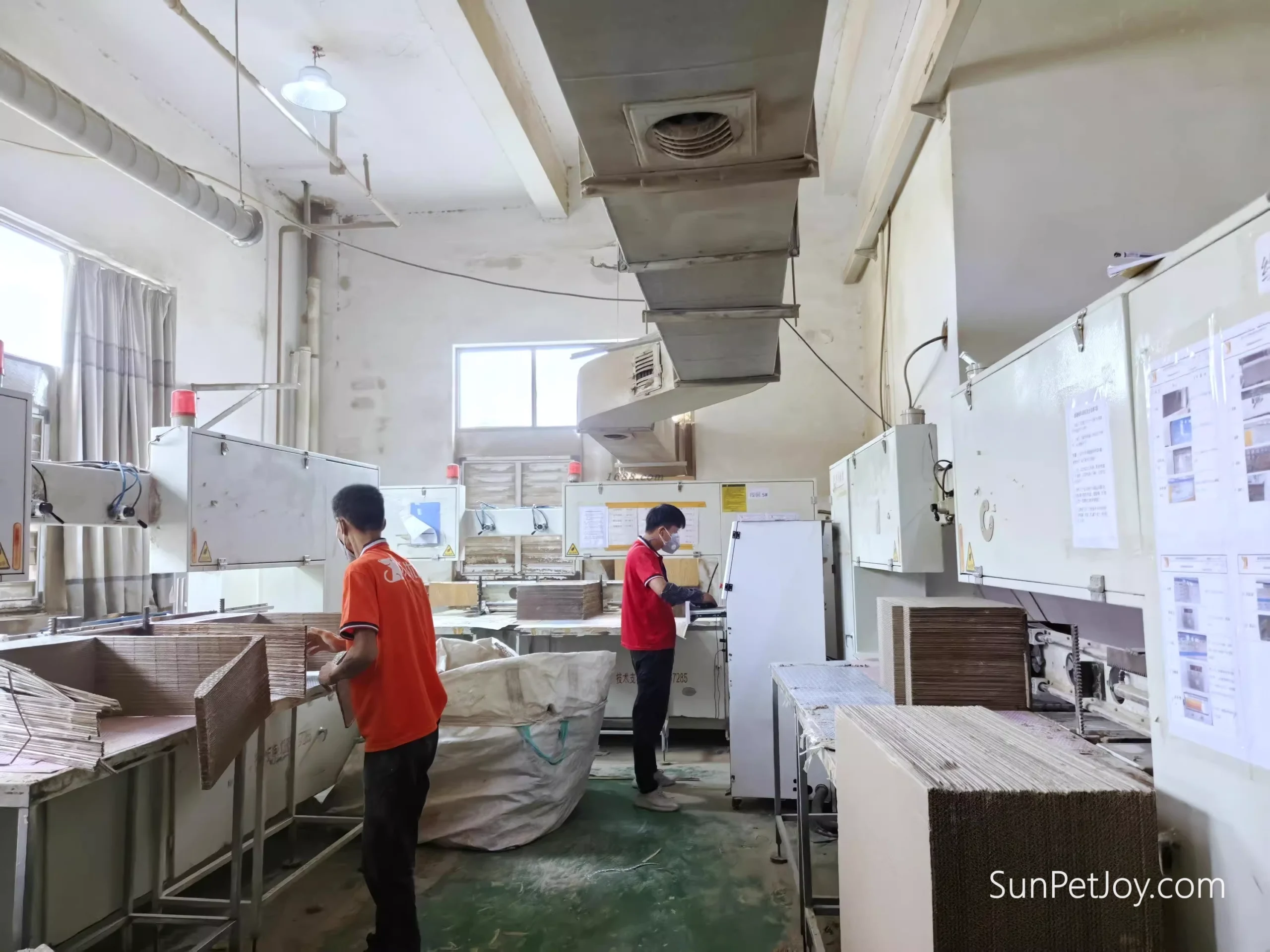
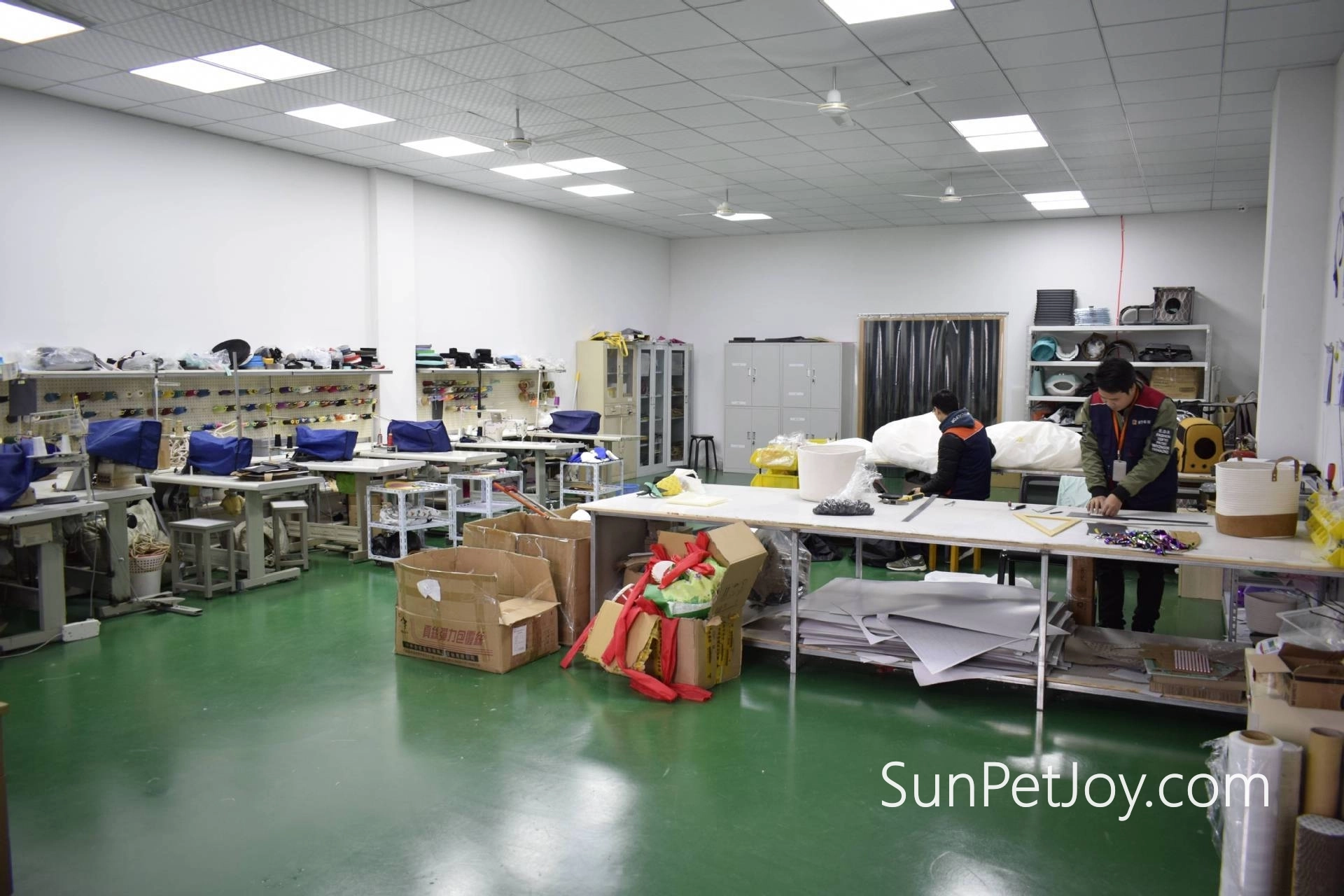
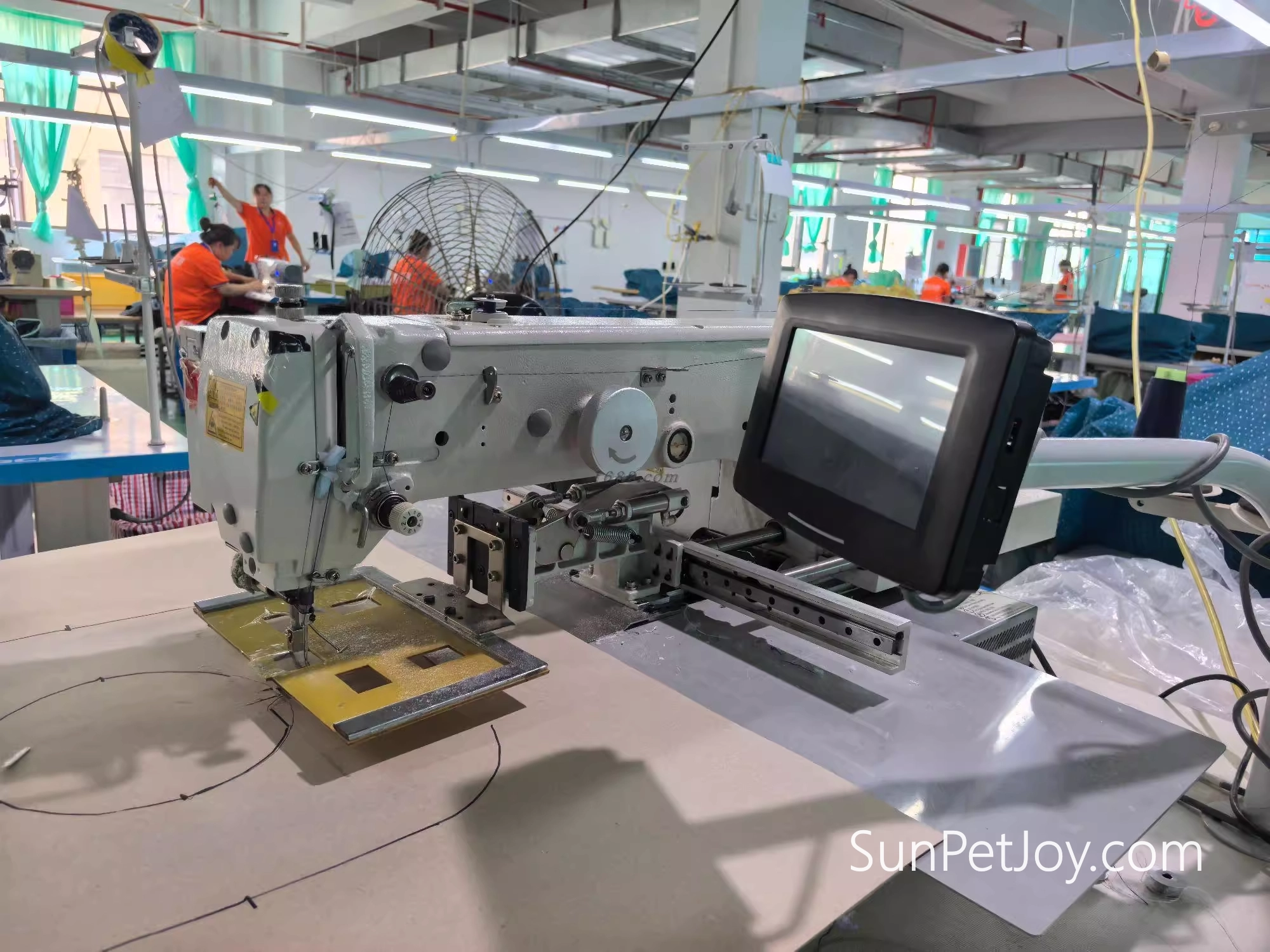
For international buyers, documented quality procedures can also make supplier evaluation easier when multiple materials, custom packaging and private-label requirements are involved.
Market Forecasts Point in the Same Direction, but Estimates Differ
Orthopedic dog bed market forecasts are not uniform across research providers. Different research companies use different category definitions, regional assumptions and forecasting methodologies.
For example, MarkWide Research published a separate market study in May 2026 estimating the orthopedic dog bed market at $487.6 million in 2026 and approximately $1.03 billion by 2035, with a stated CAGR of 8.7%. These estimates should be read as one research provider’s forecast rather than an industry census.
Premium product segmentation, pet wellness positioning, better foam construction and more sophisticated private-label products appear repeatedly across current market analysis.
What Pet Product Buyers Should Watch Through 2035
Better Foam Becomes Mainstream
Multi-density and improved support materials may move from premium ranges into more mid-market private-label products.
Cooling Features Expand
Temperature-management materials may become more relevant in warm climates and premium wellness ranges.
Replacement Components Grow
Replacement covers and modular construction can extend product life and support accessory sales.
Sustainability Gains Attention
Recycled textiles, reduced-plastic packaging and alternative materials may influence future sourcing decisions.
Smart Bedding Remains Experimental
Temperature regulation and monitoring features may appear at the premium end, but mass-market willingness to pay remains uncertain.
Private Label Raises the Baseline
Features considered premium today may gradually become expected specifications in the middle of the market.
The Opportunity Is More Than Selling a Thicker Dog Bed
The orthopedic dog bed market is increasingly a product-development story. Pet humanization supports willingness to consider better-quality products, pet wellness gives bedding a clearer functional purpose, and premiumization allows brands to compete through construction rather than price alone.
For retailers, wholesalers and importers, dog bed assortments can increasingly be segmented by use case, support level, dog size, climate and retail positioning. For brands working with OEM or ODM manufacturers, long-term differentiation is more likely to come from products where materials, structure and specifications are genuinely different and easy to explain.
Explore WLVOGUE Pet Product Supply →